Even with a scintillator and photodetector working together, not every signal that comes out is caused by a muon. Thermal and electrical noise can produce signals that look a lot like the real thing. Coincidence is a technique that combines multiple detector layers to filter out this noise and select only the events where a muon truly passed through.
Threshold #
A photodetector’s signal always contains a mix of genuine muon signals and faint background noise. The boundary value used to distinguish noise from signal is called the threshold; an event is only recorded when the signal exceeds it.
Setting the threshold high reduces noise but risks missing weak, genuine signals. Setting it low increases sensitivity but makes noise easier to mistake for a signal. A single layer alone can’t escape this tradeoff between sensitivity and noise rejection.
Detecting Multiple Layers at Once #
Coincidence setups stack two or more detector layers. Because muons travel in nearly straight lines, a genuine muon event passes through all the layers at almost the same instant, triggering a signal above threshold in each one.
Thermal and electrical noise, on the other hand, occurs independently and at random times in each layer, so the odds of multiple layers firing by coincidence are very low. By recording an event only when every layer fires within a very short time window, this rule filters out noise that a single layer could never avoid on its own.
Why Noise Drops So Much #
Even if a single layer generates, say, 100 noise pulses per second, the chance of two layers coincidentally firing within a microsecond of each other is orders of magnitude smaller than either layer’s rate alone. Adding more layers drives the odds of a chance coincidence down further still, letting you select genuine muon events with much higher confidence.
Coincidence Measurement with OSECHI #
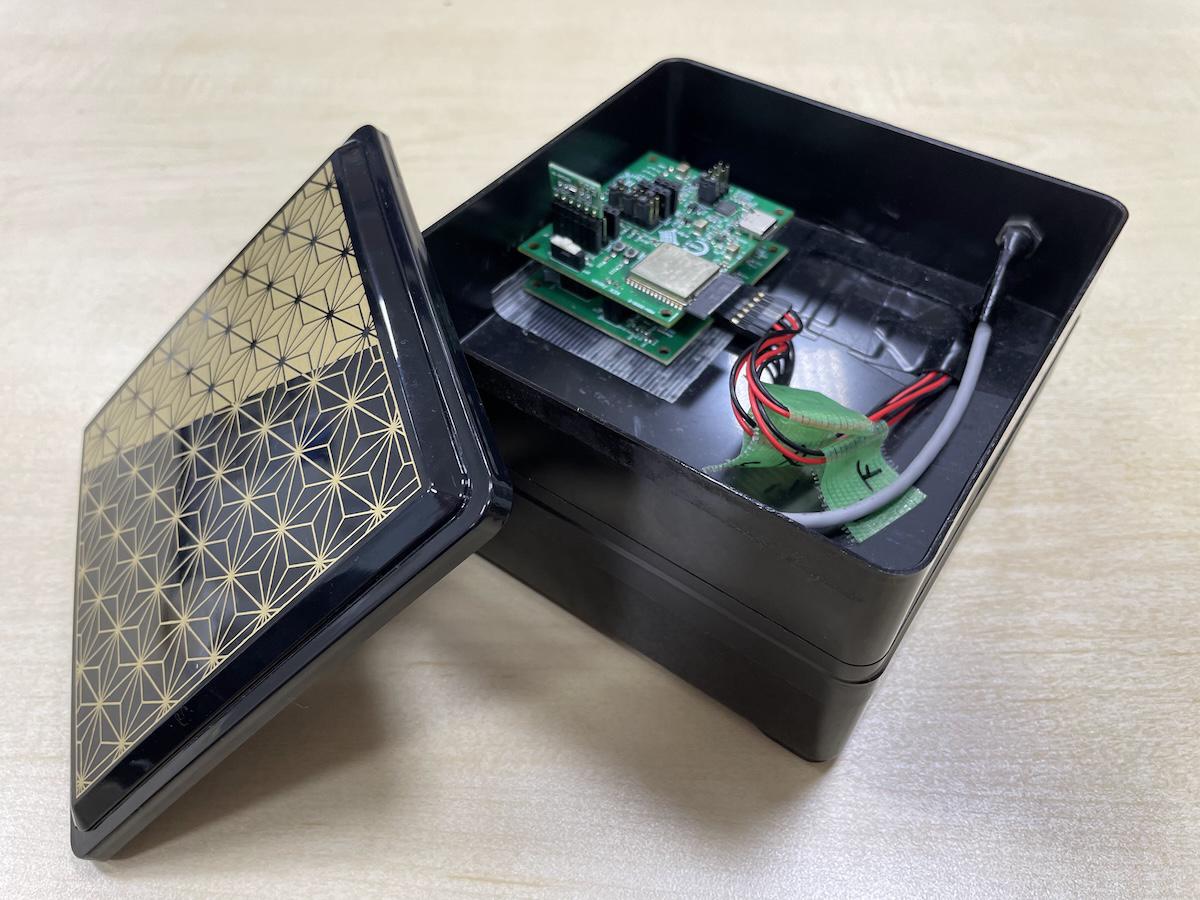
Each OSECHI unit stacks three layers of plastic scintillator. Recording an event only when all three layers fire at nearly the same instant lets a single unit reject noise more effectively than any one layer could on its own.
Combining multiple OSECHI units, and looking for events that occur simultaneously across detectors placed some distance apart, could open up measurements no single detector could capture alone — such as spread-out phenomena like an air shower. That’s still a goal we’re working toward, and one of the research topics we hope to grow together with participants.