A proceedings titled “墳Q (fun-Q) project: muography of Japanese ancient mounds by high school students” was published in Proceedings of Science (PoS).
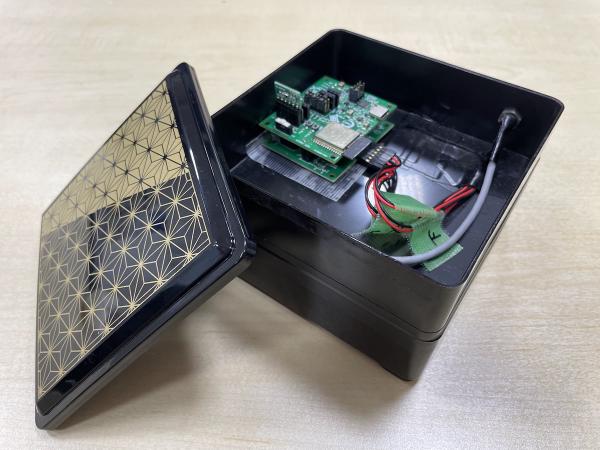
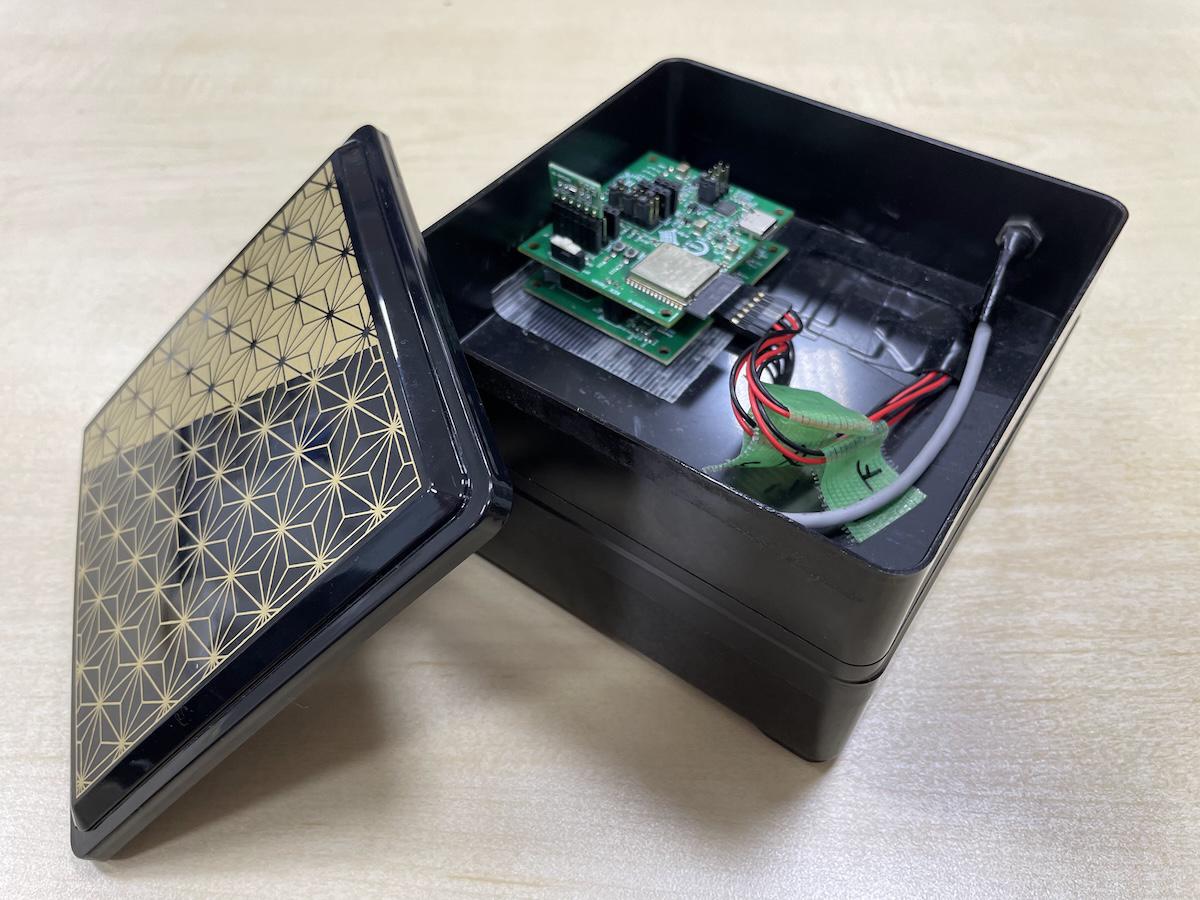
The fun-Q project is muography (muon tomography) of Japanese ancient mounds by high school students, carried out through interdisciplinary collaboration. The team consists of high school students and teachers, scientists, engineers, communicators, curators, and archaeologists. The students are divided into groups, working with experts in both archaeological and physics research and combining the results of their studies. The first target was Akiyama Koshinzuka Kofun, located near the students’ school. The team conducted a Ground Penetrating Radar (GPR) survey and cosmic-ray measurement using OSECHI, a Japanese-style cosmic-ray muon detector developed for outreach and education.
Proceedings Details #
- Title: 墳Q (fun-Q) project: muography of Japanese ancient mounds by high school students
- Authors: M. Ohtsuka, K. Aoki, K. Hashizume, Y. Ishii, T. Ishizawa, S. Kimura, S. Ogata, Y. Okamoto, S. Ono, A. Shiozaki, Y. Takemori, R. Tomiku, W. Yanagimoto, M. Higashide, T. Ishikawa, A. Matsumoto, T. Nakamori, M. Shoji, S. Takahashi, K. Ueno
- Published in: PoS (Proceedings of the 38th International Cosmic Ray Conference, ICRC2023)
- Link: https://pos.sissa.it/444/1628/