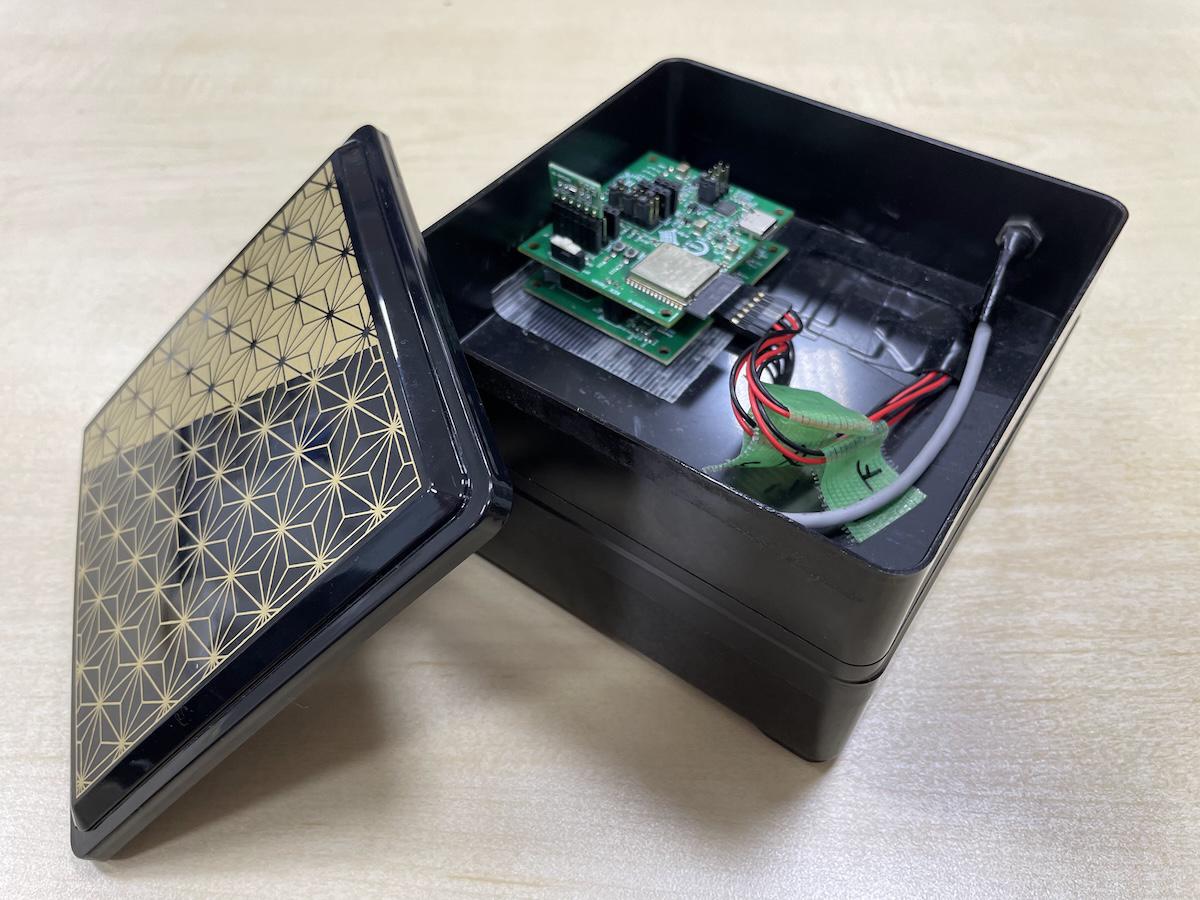
Cosmic ray research once required large, dedicated equipment found only at universities and research institutes. As detectors have become smaller and cheaper in recent years, the field has grown into a form of citizen science, where schools and individuals can take part in genuine measurement.
What is Citizen Science? #
Citizen science is a style of research where members of the public — not just professional researchers — take part in observation, data collection, and analysis. It has produced results across many fields, from amateur astronomers discovering new celestial objects to volunteers logging biodiversity sightings.
In cosmic ray research, citizen science’s strength lies in spreading many detectors across a wide area. A detector network on a scale no single institution could deploy alone becomes possible through the combined effort of many participants.
Projects Abroad #
CRAYFIS #
A project that repurposes smartphone camera sensors as cosmic ray detectors. By running an app on phones around the world, it aims to build a massive detector network out of everyday devices.
QuarkNet #
A U.S. education program for high school and university students, in which participants use muon detectors to collect and analyze real cosmic ray data. It’s a well-known model for combining education with genuine data collection.
Cosmic Watch #
A desktop muon detector kit developed at MIT (Massachusetts Institute of Technology), built from inexpensive parts. Its design files and build instructions are published openly, aiming to let schools and individuals anywhere build their own muon detector. It shares a similar philosophy with OSECHI.
CREDO #
An international project that networks detectors worldwide — from smartphones to dedicated instruments — to cooperatively observe the large-scale air showers produced by ultra-high-energy cosmic rays.
Activity in Japan #
Kasoku Kitchen #
A Japanese group supporting middle and high school students’ cosmic ray and particle physics research. It lends out detectors such as Cosmic Watch to students nationwide and, through online mentoring from university student mentors, lets each student pursue observation and research on their own theme. It participates as Japan’s representative in the Global Cosmic Group, a network of cosmic ray outreach organizations from around the world.
Soramame #
An app developed at Kanagawa University that detects cosmic rays using the camera sensor (CMOS image sensor) built into smartphones and tablets. No dedicated detector is needed — a smartphone you already own can serve as the observation device. Detected data is collected in the cloud so it can be compared with observations from users worldwide, and the project also proposes repurposing old, unused devices as dedicated observation units.
Thundercloud Project (雷雲プロジェクト) #
A citizen science project led by Kyoto University, Kanazawa University, and other research institutions. It installs compact radiation monitors in the homes of citizen volunteers and observes gamma rays reaching the ground from thunderclouds at multiple sites simultaneously, studying the connection between lightning and cosmic rays. In 2021, the project succeeded in detecting thundercloud-origin gamma rays simultaneously at multiple sites in Kanazawa City.
Shinshu Cosmic Ray (信大コズミックレイ) #
An outreach initiative led by researchers at Shinshu University to raise public awareness of cosmic rays. Rather than focusing on data collection, it aims to make the word “cosmic ray” itself more familiar, through VR experience exhibits and videos that convey the appeal of cosmic ray research. It serves less as an observation network and more as an entry point that broadens interest in the phenomenon of cosmic rays.
OSECHI and Citizen Science #
OSECHI is part of this same movement, both in Japan and abroad. Anyone who encounters the detector at a school or local event can go on to become part of the team collecting observation data, lowering the barrier between experts and the public. By keeping measurement data and research questions open, OSECHI aims to create a space where anyone can take part in cosmic ray research.
References #
- Whiteson, D. et al., “Observing Ultra-High Energy Cosmic Rays with Smartphones.” arXiv:1410.2895 (CRAYFIS)
- Axani, S. N. et al., “The CosmicWatch Desktop Muon Detector: a self-contained, pocket sized particle detector.” arXiv:1801.03029 (Cosmic Watch)
- Homola, P. et al., “Public engagement as a scientific tool to implement multi-messenger strategies with the Cosmic-Ray Extremely Distributed Observatory.” arXiv:1908.09734 (CREDO)
- Takano, W., Udo, S., Shiomi, A. & Hibino, K., “Development of a cosmic ray detector using CMOS sensors embedded in smartphones and Raspberry Pi devices,” Experimental Astronomy. arXiv:2607.02106 (Soramame)
- Yuasa, T., Wada, Y., Enoto, T. et al., “Thundercloud Project: Exploring high-energy phenomena in thundercloud and lightning,” Progress of Theoretical and Experimental Physics (2020). Open access (Thundercloud Project)